
Root canal treatment — also known as endodontic treatment or a root filling — has a reputation that is far worse than the reality. For most patients, having a root canal is no more uncomfortable than having a tooth filled, and it is often the procedure that provides the relief they have been desperately seeking. At Stag Lane Dental, our experienced dental team carries out root canal treatment gently and carefully, using modern techniques and local anaesthetic to ensure you are comfortable from start to finish.
Root canal treatment is one of the most effective ways to save a tooth that has become severely infected or irreversibly inflamed. Without treatment, an infected tooth will not get better on its own — the infection is likely to spread, and the tooth will ultimately be lost. Treating the tooth promptly not only relieves pain but preserves your natural tooth, which is almost always the best long-term outcome for your oral health.
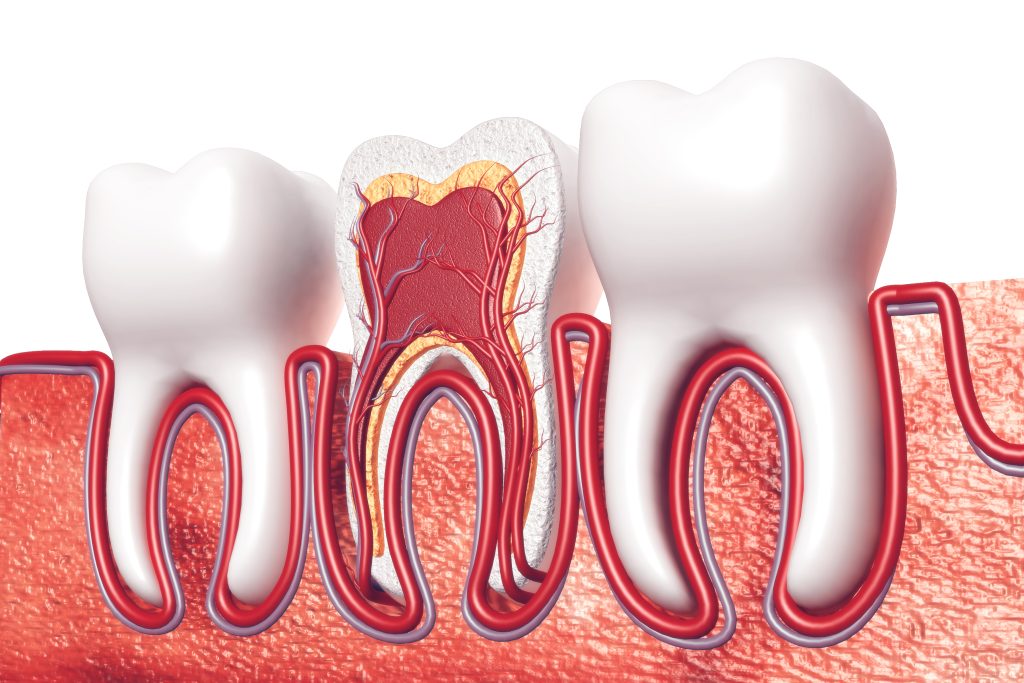
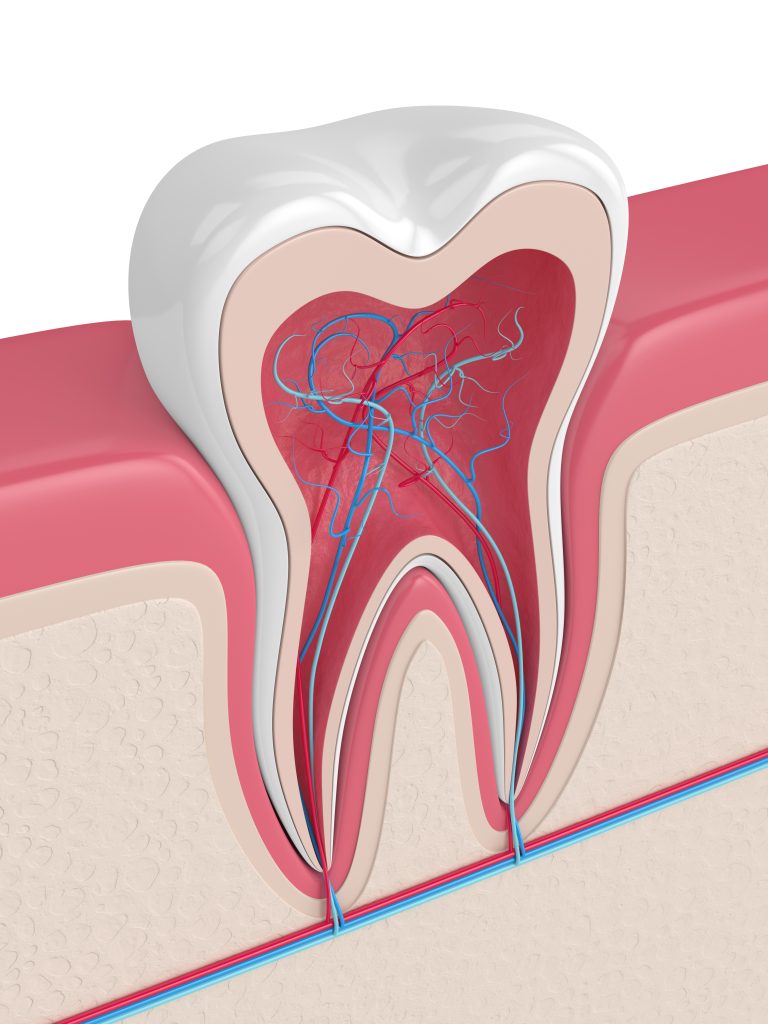
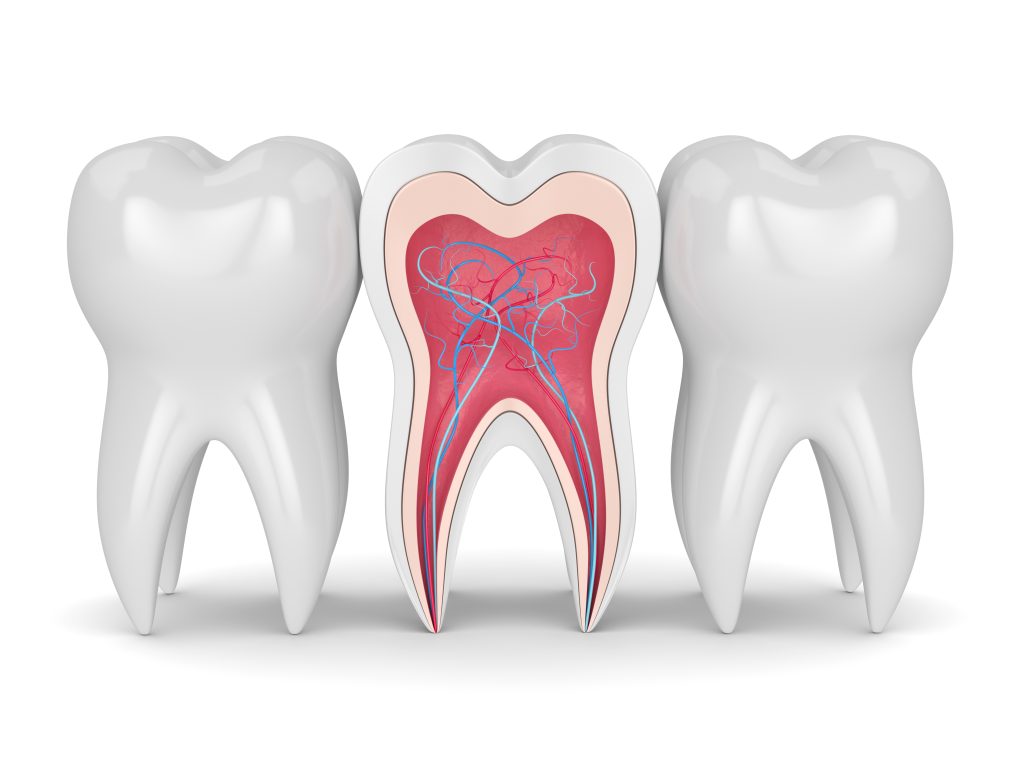
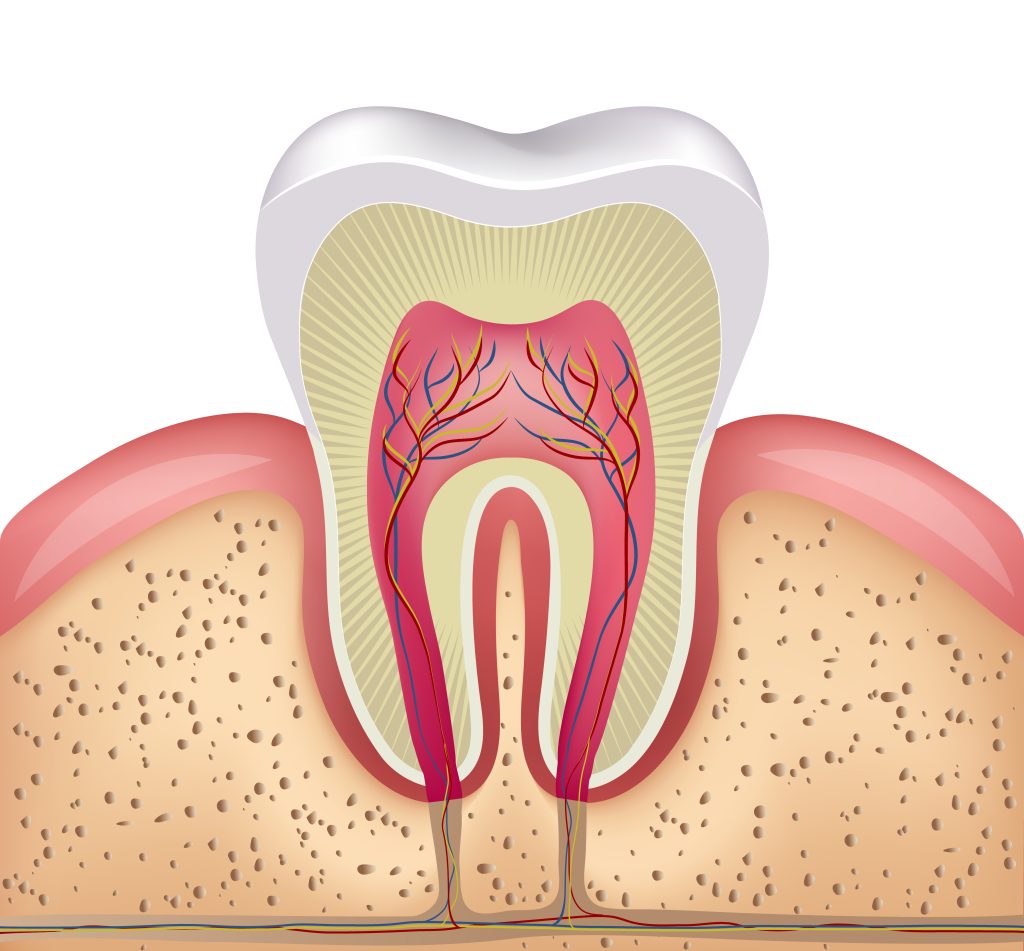
At the centre of every tooth, beneath the hard enamel and dentine, lies the pulp — a soft tissue containing nerves, blood vessels, and connective tissue. The pulp extends from the crown of the tooth down through narrow channels called root canals, which reach into the jaw bone.
When the pulp becomes infected by bacteria — usually as a result of deep decay, a cracked or broken tooth, or trauma — it can become severely inflamed or begin to die. Once this happens, the pulp cannot heal itself. The bacteria and their byproducts begin to spread through the root canals and into the surrounding bone, causing an abscess and, if left untreated, significant damage to the surrounding tissue and jaw bone.
Root canal treatment removes the infected or damaged pulp, cleans and disinfects the root canal system, and seals the tooth with a specialised filling material to prevent reinfection. The tooth is then restored — usually with a crown — to protect it and return it to full function.
The following symptoms can indicate that the pulp of a tooth has become infected or inflamed and that root canal treatment may be needed. If you are experiencing any of these, contact Stag Lane Dental as soon as possible:
It is important to note that some teeth requiring root canal treatment may have very few noticeable symptoms, which is why regular dental check-ups and X-rays are so important. We can often detect early signs of pulp infection before they become painful.
Root canal treatment at Stag Lane Dental is typically carried out over two appointments, though some cases can be completed in a single visit. The number of appointments required depends on the complexity of the root canal system and the severity of the infection.
At your first appointment, we will carry out a thorough examination and take digital X-rays to assess the extent of the infection and the anatomy of the root canals. A local anaesthetic is administered to ensure you are completely comfortable before any treatment begins.
The tooth is then isolated using a thin rubber sheet called a dental dam, which keeps the treatment area clean and dry. We access the pulp chamber through the crown of the tooth, remove the infected pulp tissue, and begin the process of cleaning and shaping the root canals using a series of fine, flexible instruments. The canals are irrigated with an antibacterial solution to disinfect the entire canal system.
At the end of the first appointment, the canals are dressed with a medicament and the tooth is sealed with a temporary filling. Most patients experience significant relief from pain within 24 to 48 hours of this appointment.
At your second appointment, the temporary dressing is removed and the canals are inspected to confirm that the infection has resolved. The cleaned and shaped canals are then filled with a biocompatible rubber-like material called gutta-percha, which is sealed into place with a dental cement. This permanently seals the root canal system and prevents bacteria from re-entering the tooth.
Following root canal treatment, the tooth will need to be restored to protect it from fracture and return it to full function. In most cases — particularly for back teeth — a dental crown is recommended. Front teeth may sometimes be restored with a large filling, depending on the amount of remaining tooth structure.
Fees:
At Stag Lane Dental, patient comfort and informed consent are at the heart of everything we do. Root canal treatment has an undeserved reputation for being painful — in reality, it is the infection that causes pain, and root canal treatment is what relieves it. We use modern local anaesthetic techniques to ensure you feel nothing beyond mild pressure during the procedure, and we will always stop and check on your comfort throughout. Our approach is fully aligned with GDC guidelines on patient-centred care.
We will explain every stage of your treatment clearly before we begin, discuss all available options — including the alternative of extraction — and provide you with an honest assessment of the likely outcomes. You will never feel rushed or pressured into making a decision.
If you have a history of dental anxiety or have previously found root canal treatment uncomfortable, please let us know. We will take extra time to ensure you feel completely at ease, and can discuss additional comfort measures if needed.
A dental infection affecting the pulp of a tooth will not resolve on its own. Antibiotics can reduce symptoms temporarily, but they cannot penetrate the root canal system effectively and will not eliminate the infection at its source. Without root canal treatment, the following complications are likely to occur:
Extraction is always an option, but it is rarely the best one. Removing a tooth creates its own set of problems — including bone loss at the extraction site, shifting of adjacent teeth, and the need for a replacement such as an implant or bridge. Where root canal treatment is feasible, saving the natural tooth is almost always preferable.

• Removes the infection
• Restoration of teeth
• Enhance your well being.
If you are experiencing toothache, swelling, or sensitivity that has not resolved, do not wait — dental infections can deteriorate quickly and early treatment is nearly always simpler and more comfortable. Call Stag Lane Dental on 0208 952 0839 to book your appointment, or contact us online and a member of our team will respond promptly.
Both new and existing patients are welcome. Your comfort, your tooth, and your long-term oral health are our priority. Ask us about our 0% dental finance solutions, designed to make high-quality dental care accessible and budget-friendly.
Root canal treatment is carried out under local anaesthetic and should not be painful. Most patients are surprised at how comfortable the procedure is. Any discomfort experienced beforehand is caused by the infection itself — and root canal treatment is what relieves that pain. Some mild soreness around the tooth for a few days after the appointment is normal and can be managed with over-the-counter pain relief.
Root canal treatment has a high success rate — well over 90% for many teeth when carried out under optimal conditions. Success depends on the complexity of the root canal anatomy, the severity of the infection, and how well the tooth is subsequently restored. Occasionally some cases do not respond as hoped — most commonly where the tooth has an unusually complex root structure or where bacteria resistant to the cleaning and disinfection process are present. We will always give you an honest assessment of the likely prognosis before treatment begins.
Most root canal treatments at Stag Lane Dental are completed over two appointments. Some straightforward cases can be completed in a single visit. The number of appointments depends on the complexity of the root canal system, the number of canals in the tooth, and whether the infection has fully resolved between visits. We will give you a clear treatment plan at your initial consultation.
An infected tooth will not heal without treatment. If left untreated, the infection will continue to spread — into the surrounding bone, adjacent teeth, and soft tissue. This can lead to an abscess, significant bone loss, tooth loss, and in serious cases a medical emergency. Antibiotics can temporarily reduce symptoms but cannot eliminate the source of infection within the tooth. We strongly recommend addressing a root canal infection promptly.
In most cases, yes — particularly for back teeth. Root-treated teeth lose moisture over time and become more brittle than living teeth, making them vulnerable to fracture under the forces of chewing. A crown provides the protection needed to prevent this and significantly extends the life of the treated tooth. For some front teeth with sufficient remaining structure, a large filling may be appropriate. We will advise you on the most suitable restoration for your individual tooth.
Although uncommon, it is possible for a root-treated tooth to become reinfected — for example, if the crown or filling is lost and bacteria are able to re-enter the canal system, or if a canal was missed during the original treatment. In these cases, retreatment may be possible and can often be successful. We monitor all root-treated teeth at your regular check-up appointments using clinical examination and X-rays.
Extraction is simpler and faster in the short term, but removing a tooth has long-term consequences — including bone loss at the extraction site, drifting of adjacent teeth, and the need for a replacement such as an implant or bridge. These replacements carry their own costs and clinical considerations. Wherever root canal treatment is a realistic option and the prognosis is favourable, saving the natural tooth is nearly always the better long-term choice. We will always give you an honest, balanced view of both options.
The cost of root canal treatment varies depending on the tooth being treated and the number of root canals involved — front teeth typically have one canal, while back teeth can have three or four. Please call us on 0208 952 0839 or use our online enquiry form and we will be happy to provide a full fee breakdown for your specific situation.

If you would like to find out more about Root Canal in Edgware or the surrounding areas contact us today!